Find the rightpath to recovery.
Whether it is alcohol, tobacco, cannabis, opioids, prescription medicines, inhalants or other substances, RehabSetu helps you understand the situation, explore the right kind of support, compare care options and take the next step with greater confidence.
RehabSetu does not diagnose you. It helps you understand your next step.

Tell RehabSetu what is happening.
Answer a few private questions or talk to RehabSetu AI. We will help you understand your situation and guide you towards the right kind of support.
Answer a few private questions
A guided assessment to understand your situation and identify what type of support may be appropriate.
3–5 minutesStart AssessmentTalk to RehabSetu AI
Tell your story naturally. RehabSetu AI asks follow-up questions and helps you find the next step.
Start ConversationYour answers are sensitive. We keep your experience private, respectful and transparent.
Possible next steps
- Professional assessmentClinical evaluation recommended
- Explore care optionsFind care that fits your needs
- Family supportGuidance for families and caregivers
RehabSetu does not diagnose or provide medical treatment. It helps you understand your situation and connect to the right care. In urgent or life-threatening situations, seek immediate local emergency medical care.
Recovery is a journey, not a building.
Eight stages, from noticing something is wrong to rebuilding a life worth protecting.
What are you concerned about?
What each substance does, the signs worth noticing, and what treatment actually involves.

Alcohol
The most widely used substance in India, and one where stopping suddenly can be medically dangerous.
Learn more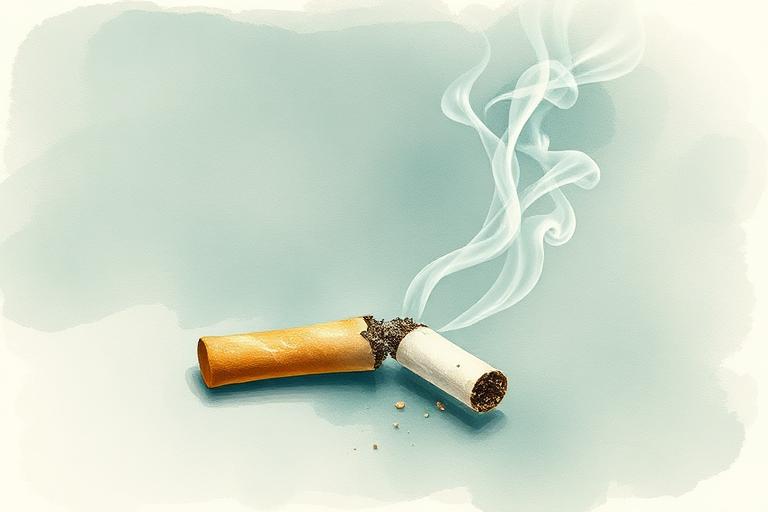
Tobacco and nicotine
Smoked, chewed and vaped forms all deliver nicotine, which is strongly habit-forming.
Learn more
Cannabis
Known locally as ganja, charas or bhang; regular use can affect motivation, mood and study or work.
Learn more
Opioids
Includes heroin, smack, and misuse of pharmaceutical opioids. Overdose risk is real and withdrawal needs medical support.
Learn more
Prescription medicines
Painkillers, cough syrups and other prescribed medicines can be misused, sometimes without anyone noticing.
Learn more
Sedatives
Sleeping tablets and anti-anxiety medicines. Stopping suddenly after long use can be dangerous.
Learn moreThe right treatment. The right support. A better tomorrow.
Treatment is not one thing. Most recovery plans combine several of these, reviewed by a clinician as things change.
Individual therapy
One-to-one sessions with a trained counsellor or psychologist to work through triggers, thinking patterns and goals.
Group therapy
Structured sessions with others in treatment. Useful for honesty, accountability and realising you are not the only one.
Family therapy
Sessions that include the household, because recovery happens in the home the person returns to.
Holistic therapies
Sleep, nutrition, exercise, yoga and routine. Supportive alongside clinical care, never a replacement for it.
Medication-assisted treatment
Prescribed medicines for withdrawal, cravings or a co-occurring condition, decided and reviewed by a doctor.
Aftercare and relapse prevention
Follow-up appointments, a written plan and someone to call. This is where most recovery is actually held.
A rehab centre is not automatically a recovery solution.
Advertising is designed to reassure. These are the things a family can actually check before deciding.
What advertisements show
- Photographs of the buildingLawns, rooms and reception areas say nothing about the care delivered inside them.
- “100% success rate”No credible treatment service anywhere can promise a cure. Relapse is part of many recovery journeys.
- “Complete recovery in 30 days”Duration is chosen by clinical need, not by a package. A fixed number is a sales figure.
- Celebrity or testimonial imagesEndorsements are marketing, not evidence, and cannot be verified by anyone reading them.
What families should verify
- Registration under state rulesAsk for the registration number and the authority that issued it, then check that the name matches.
- Who provides medical careA named psychiatrist or physician, their qualification, and how often they actually see patients.
- Qualified counselling staffTrained psychologists or counsellors, not only recovered peers or non-clinical supervisors.
- Itemised, written feesWhat is included, what is billed separately, and what happens if the stay needs to be longer.
Verified information
Details we have checked are labelled as checked.
Qualified professionals
Medical and counselling input is stated, not assumed.
Medical safety first
Withdrawal risk is a clinical question, never a package.
Treatment transparency
What happens each day, and who decides it.
Sometimes the person searchingisn’t the personusing the substance.
If you are reading this for someone you love, you are already doing something useful. Here is what actually helps, what quietly makes things worse, and how to judge a centre on facts.
You cannot force recovery. You can make the next honest step easier to take.
Get guidance
Know what to say and what to avoid saying.
Understand options
Learn what real treatment looks like.
Compare care
Judge centres on facts, not on advertising.
Support recovery
Stay steady through the months that follow.


Women deserve care thatunderstands theirunique needs.
Safety, privacy and dignity are not extras. Here is what to look for in a centre before you or someone you love walks in.
Women-only centres
Residential facilities with women-only wards or a separate women's unit.
Female counsellors
The option to speak with a woman counsellor or doctor from the first session.
Safe, private environment
Controlled access, monitored visiting, and clear rules about who may enter.
Family support
Sessions that include the people you live with, when you want them included.
Mental-health support
Anxiety, depression and sleep problems treated alongside substance use.
Trauma-informed care
Staff trained to work with abuse, violence and grief without re-traumatising.

Start a conversation, not an interrogation
One calm question, asked without an audience, opens more than an hour of accusations.
Notice the changebefore the crisis.
Most young people do not announce that something is wrong. It shows up quietly — in sleep, in mood, in who they spend time with. Noticing early is not spying; it is care.
Hidden signs to look for
- Withdrawing from the familyMore time behind a closed door, fewer shared meals.
- A new, closed friend circleFriends who are never introduced and plans that stay vague.
- Money that does not add upSmall amounts missing, or unexplained spending.
- Sleep turned upside downAwake all night, unwakeable in the morning.
- Sudden secrecy about the phoneScreens turned away, calls taken outside.
None of these prove substance use on its own. Exam stress, bullying and depression can look the same. Several together are a good reason to talk to someone qualified.
How we work
We never diagnose
We explain what a qualified professional could assess. No labels, no verdicts, no scare tactics.
Ordered by fit, not by payment
No centre can buy its way above a better-matching option, and paid placement is always labelled.
Missing information is shown
When fees, licence or staffing are not disclosed, we say so rather than leaving a comfortable blank.
Built for families too
Most people who reach us are not the person using. The whole platform works from either side.
Families who took the next step.
Shared with permission. Names and details have been changed to protect privacy.
My husband had been drinking daily for six years and every conversation ended in a fight. The assessment helped me see it was not about willpower. We finally spoke to a doctor instead of arguing.
I did not know where to start after my brother's opioid relapse. Seeing the fees and what each centre actually provides, written plainly, saved us from a place that had promised everything on the phone.
My son was smoking cannabis and I thought he was just being lazy. The youth section described exactly what I was seeing at home. We got counselling before it became something bigger.
Twenty years of tobacco and I had given up on quitting. The treatment page explained that medicines exist for this. I am eight months clear now, with follow-ups.
As a woman I was afraid of being judged at a centre. Finding out which places actually have women staff and separate wards made the difference between going and not going.
I was searching for my father, not myself. Nobody rushed me, nobody sold me anything. It just told me honestly what our options were and what each one would cost.
RehabSetu does not accept payment for placement in these stories or in any listing.
Questions people ask
RehabSetu is an education and care-navigation platform, not a healthcare provider, and nothing here is a diagnosis or medical advice. Are you a treatment centre? See how listing works.