Understand addiction
Small steps today.Strongertomorrow.
Dependence is a health condition, not a character failure. Choose what is closest to your situation and read what it actually does, what the early signs look like, and what real treatment involves.
Information for understanding, not self-diagnosis
These guides help you recognise patterns and ask better questions. Only a qualified professional can assess a person and decide on treatment.

Support is available at every step
Prevention
Understanding risk before it becomes a crisis.
Early help
A conversation or assessment while things are still small.
Treatment
Medical and therapeutic care chosen by a qualified person.
Aftercare
Follow-up, relapse planning and someone to call.
I want help with

Alcohol
The most widely used substance in India, and one where stopping suddenly can be medically dangerous.
Learn more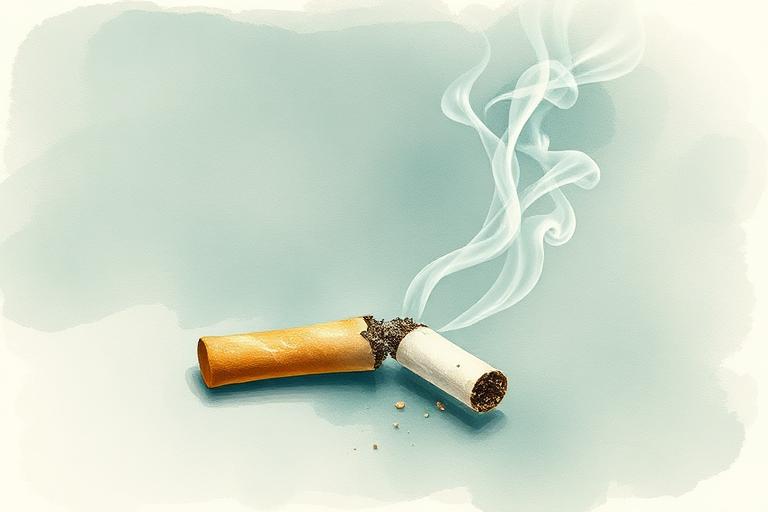
Tobacco and nicotine
Smoked, chewed and vaped forms all deliver nicotine, which is strongly habit-forming.
Learn more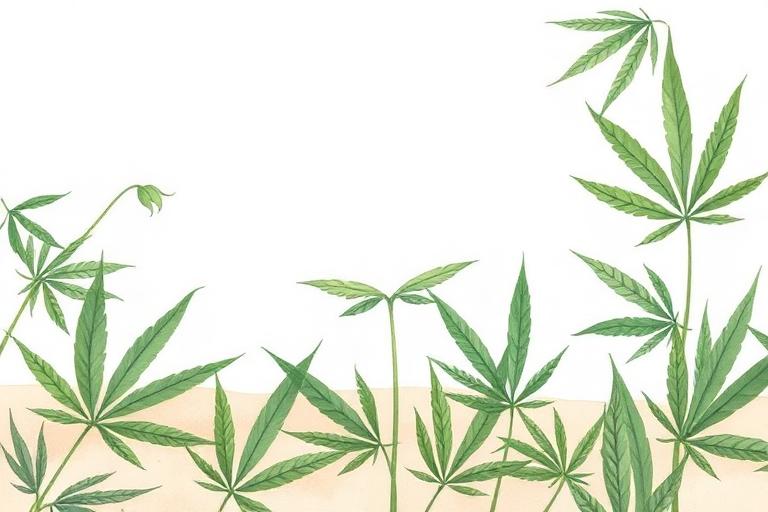
Cannabis
Known locally as ganja, charas or bhang; regular use can affect motivation, mood and study or work.
Learn more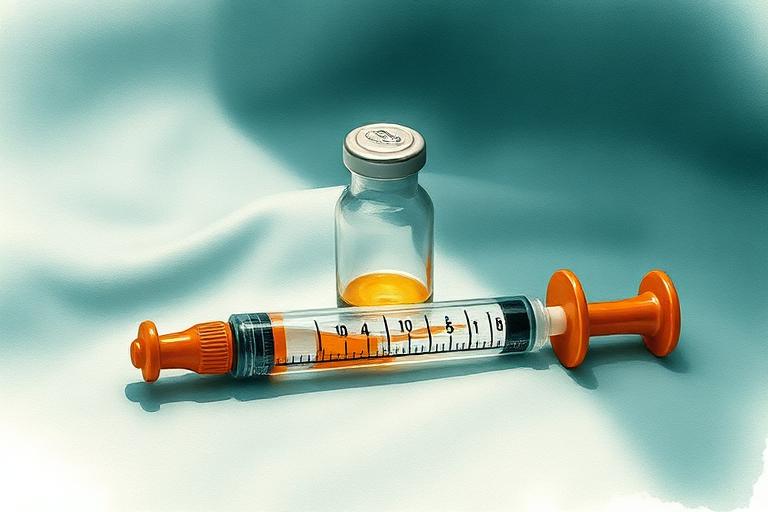
Opioids
Includes heroin, smack, and misuse of pharmaceutical opioids. Overdose risk is real and withdrawal needs medical support.
Learn more
Prescription medicines
Painkillers, cough syrups and other prescribed medicines can be misused, sometimes without anyone noticing.
Learn more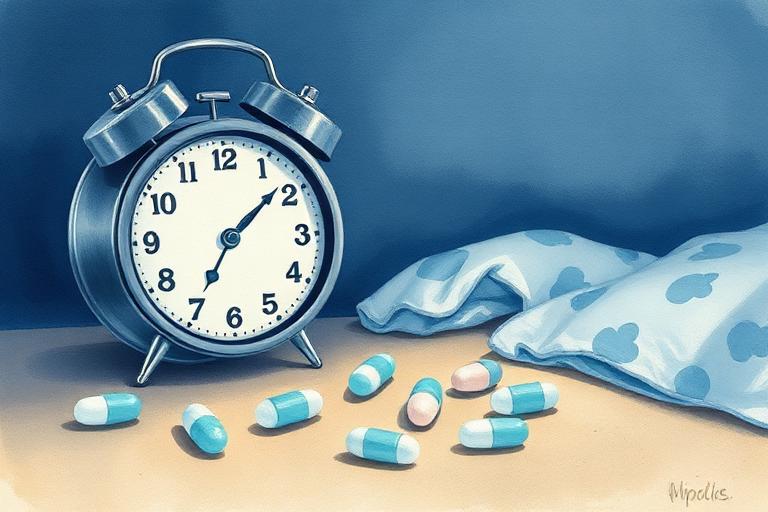
Sedatives
Sleeping tablets and anti-anxiety medicines. Stopping suddenly after long use can be dangerous.
Learn more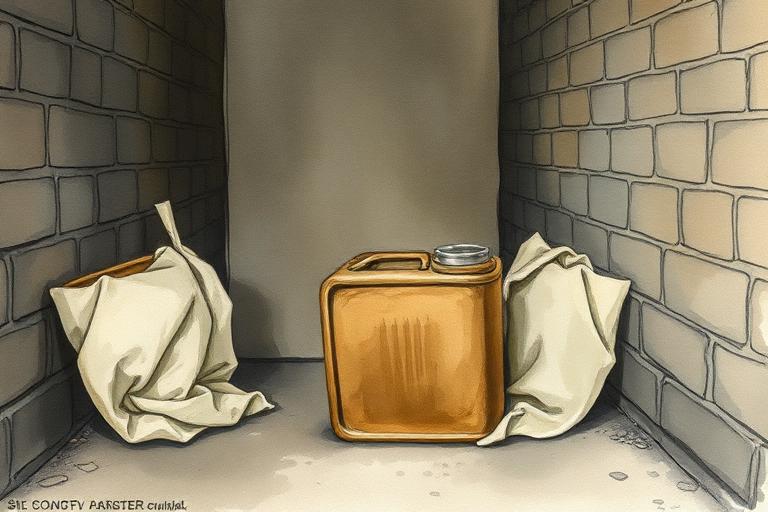
Inhalants
Correction fluid, glue, petrol and solvents — most often seen in younger and street-connected children.
Learn more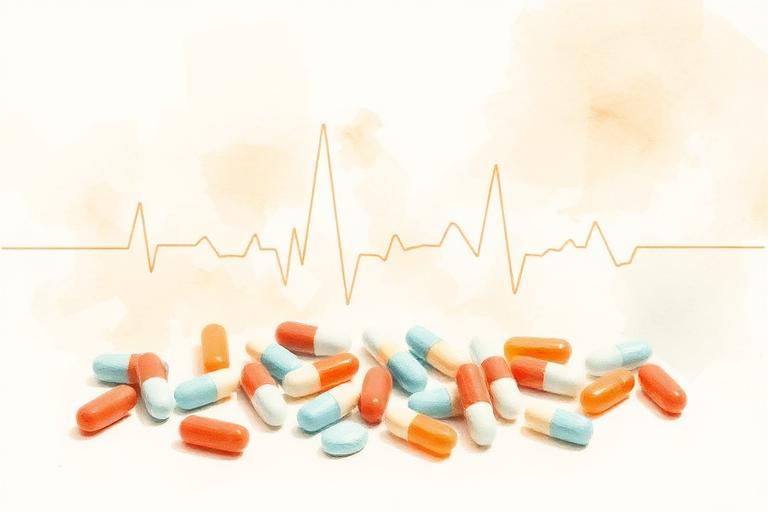
Stimulants
Amphetamine-type substances and misused stimulant medicines that speed up the nervous system.
Learn more
Cocaine
A short-acting stimulant with significant cardiac risk, usually seen in metropolitan settings in India.
Learn more
Hallucinogens
Substances that alter perception. Risk here is more psychological and situational than physical dependence.
Learn more
Polysubstance use
When more than one substance is involved, risk and treatment planning both change.
Learn moreYou are not alone
You do not need a label to take the next step. Pick whichever of these feels possible today.
Questions to ask before choosing a centre
- Who will assess my family member before any treatment starts?
- Which doctor is responsible for medical care, and what is their registration?
- Is withdrawal expected here, and how will it be managed medically?
- What therapies happen each week, and who delivers them?
- Can I see the full fee in writing, including what is charged separately?
- Can we visit, and can the person contact us during the stay?
- Under what circumstances can a person leave, and who signs that off?
- What does aftercare include, and for how many months?
If someone is in danger right now
- Local emergency services, if someone is unresponsive, fitting or badly hurt
- The nearest hospital with an emergency department
- Someone you trust who can stay with the person until help arrives
What national surveys report in India
Alcohol
Alcohol was reported as the most commonly used psychoactive substance among adults in the national survey.
Source: Magnitude of Substance Use in India, National Drug Dependence Treatment Centre (AIIMS New Delhi) for the Ministry of Social Justice and Empowerment. Survey year 2018, published 2019.
Cannabis
Cannabis was the second most commonly reported substance, including bhang and ganja or charas preparations.
Source: Magnitude of Substance Use in India, National Drug Dependence Treatment Centre (AIIMS New Delhi) for the Ministry of Social Justice and Empowerment. Survey year 2018, published 2019.
Opioids
Opioid use — including heroin and pharmaceutical opioids — was reported at levels that the survey described as a substantial public-health concern.
Source: Magnitude of Substance Use in India, National Drug Dependence Treatment Centre (AIIMS New Delhi) for the Ministry of Social Justice and Empowerment. Survey year 2018, published 2019.
Sedatives
Non-medical use of sedatives was reported across adult and adolescent groups.
Source: Magnitude of Substance Use in India, National Drug Dependence Treatment Centre (AIIMS New Delhi) for the Ministry of Social Justice and Empowerment. Survey year 2018, published 2019.
Inhalants
Inhalant use was one of the few categories reported at a higher level among children and adolescents than among adults.
Source: Magnitude of Substance Use in India, National Drug Dependence Treatment Centre (AIIMS New Delhi) for the Ministry of Social Justice and Empowerment. Survey year 2018, published 2019.
Tobacco
Tobacco use in India is tracked separately by the Global Adult Tobacco Survey, which reported use in both smoked and smokeless forms among adults.
Source: Global Adult Tobacco Survey India (GATS-2), Ministry of Health and Family Welfare. Survey year 2016–17, published 2017.
These are national survey estimates from the years shown, not current-year figures, and they are not specific to any one district. A newer national survey has been commissioned; updated national estimates should replace older estimates when officially published.